Ever wondered what helps clean your car's dirty exhaust gases? It’s the catalytic converter.This small device plays a big role in fighting pollution. It cuts harmful gases from your car’s emissions.In this post, you’ll learn what a catalytic converter is, why it matters, and where it sits in your vehicle.
How Does a Catalytic Converter Work?
Core Function and Purpose
A catalytic converter helps turn harmful gases from your car into safer ones. It handles carbon monoxide (CO), hydrocarbons (HC), and nitrogen oxides (NOx). These come out of your engine as part of the exhaust.
What does it turn them into? Mainly carbon dioxide (CO₂), water vapor (H₂O), and nitrogen (N₂). These are much safer for the air we breathe. It’s like a chemical filter for your car’s exhaust pipe.
Internal Structure Explained
Inside the converter is a honeycomb-shaped structure. It’s usually made of ceramic. This shape gives gases more surface to touch. That helps reactions happen faster.
This honeycomb is coated with precious metals. The most common are:
● Platinum (Pt)
● Palladium (Pd)
● Rhodium (Rh)
These metals start chemical reactions. CO and HC are oxidized (add oxygen). NOx is reduced (remove oxygen). All of this happens at very high temperatures.
The Role of Air-Fuel Ratio
A good mix of fuel and air is critical. The ideal ratio is about 14.7:1 (air to fuel). That’s called the stoichiometric ratio. It helps the catalytic converter work best.
Oxygen sensors check how much oxygen is in the exhaust. They send that data to the engine control unit (ECU). The ECU then adjusts the fuel being burned. That keeps the ratio stable and emissions low.
Types of Catalytic Converters
Two-Way vs. Three-Way Catalytic Converters
There are two main types of converters.
Two-way converters are older. They remove CO and HC. You’ll mostly find them on diesel vehicles or cars built before 1981.
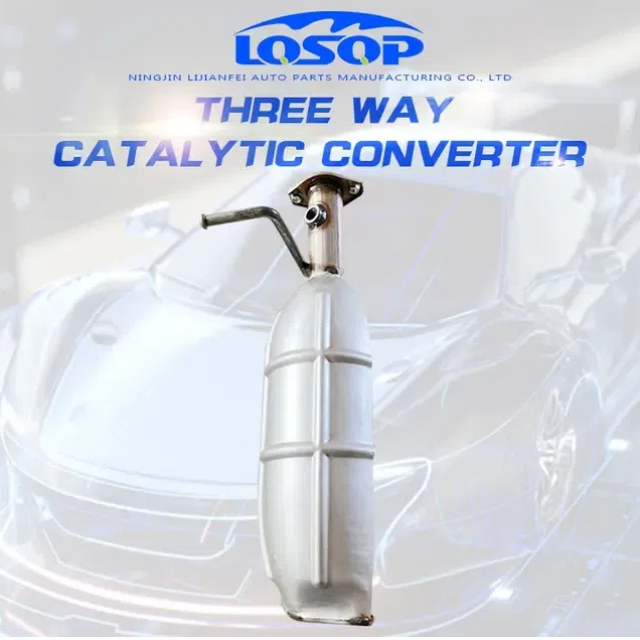
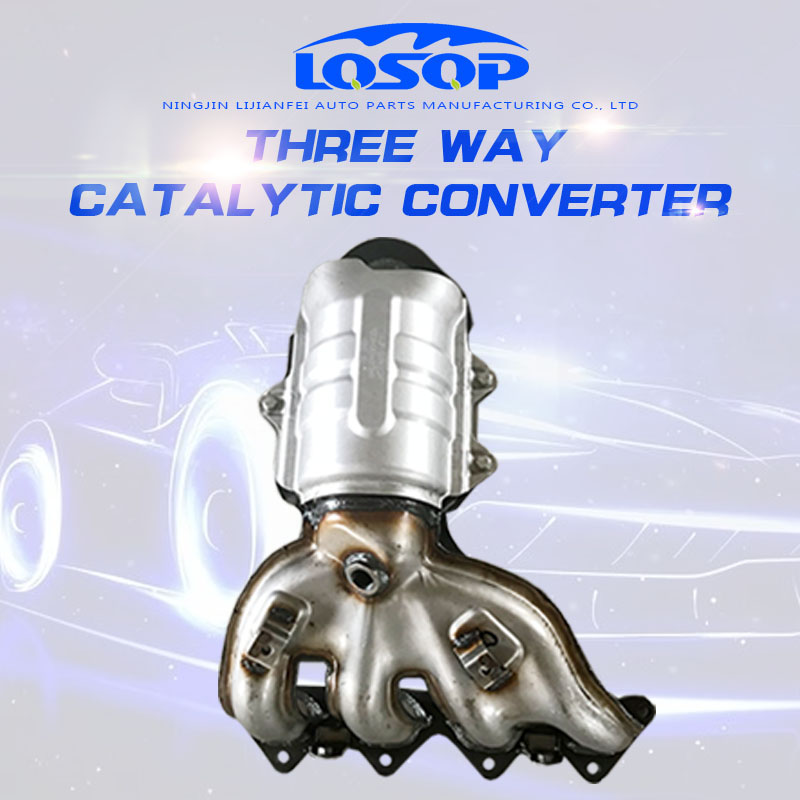
Three-way converters are newer. They handle CO, HC, and NOx. Most gasoline-powered cars today use these.
Type | Pollutants Reduced | Common in |
Two-Way | CO, HC | Older/diesel cars |
Three-Way | CO, HC, NOx | Modern gas cars |
High-Flow Catalytic Converters
These are built for performance cars. They allow more exhaust to flow through. That means more power.
But do they meet emissions laws? Only if they’re CARB or EPA certified. Otherwise, you could get fined.
Pre-Catalytic Converters (Pre-Cats)
Pre-cats warm up quickly. They reduce emissions during cold starts. That’s when pollution is highest.
They sit close to the engine and often contain more platinum. Not all vehicles have them, but hybrids usually do.
Benefits of Catalytic Converters
Catalytic converters are crucial for a cleaner planet. Here’s why:
● They cut down smog and toxic gases.
● They help cars pass emission tests.
● They support cleaner air and public health.
● They even reduce that strong exhaust smell.
Complying with laws is easier too. Most countries follow EPA or Euro 6 rules. In California, CARB regulations are even stricter. You can’t legally drive without a working converter in many places.
Common Catalytic Converter Problems and Signs of Failure
Symptoms of a Failing Catalytic Converter
When your catalytic converter begins to fail, your car won’t stay silent. It gives signs that something’s wrong. Here’s what to watch for:
● Check Engine Light: One of the first signs. The onboard computer senses problems in the exhaust system.
● Rotten Egg Smell: A strong sulfur odor from your tailpipe could mean the converter isn’t working properly.
● Poor Acceleration: Your car might feel sluggish or hesitate when you press the gas.
● Lower Fuel Efficiency: If your converter is clogged, the engine works harder. You burn more fuel.
● Rattling Noise: If the ceramic honeycomb inside breaks, it rattles. You’ll hear it from under the vehicle, especially at startup.
These symptoms can signal a clogged or damaged converter. Don’t ignore them—delayed repairs can lead to engine damage.
What Causes Catalytic Converter Failure?
Catalytic converters don’t fail without a cause. Most of the time, other problems lead to their damage:
Cause | Effect on Converter |
Oil or Coolant Leaks | They coat the honeycomb surface. That blocks air and reactions. |
Rich Fuel Mixture | Too much fuel leads to burning inside the converter. That overheats it. |
Engine Misfires | Unburned fuel enters the exhaust. The heat damages the core. |
Physical Damage | Hitting speed bumps, rocks, or debris can crack the ceramic inside. |
Regular maintenance helps. Fix leaks, tune the engine, and check your emissions system.
Catalytic Converter Theft: Why Is It So Common?
Why Thieves Target Catalytic Converters
Catalytic converters are surprisingly valuable. But not because of the part itself—because of what’s inside:
● Precious Metals: Platinum, palladium, and rhodium are used in the converter. These metals are more expensive than gold.
● Fast to Steal: An experienced thief can saw it off in less than two minutes.
● Untraceable and Easy to Sell: There are few markings, and the black market for metals is active.
It’s a low-risk, high-reward theft. That’s why cases have skyrocketed in recent years.
Which Vehicles Are Most at Risk?
Not every car is a target, but some are more vulnerable:
● Trucks and SUVs: They sit higher, so thieves can get under quickly—no jack needed.
● Hybrids (like the Toyota Prius): Their converters are cleaner and last longer. That makes the metals more pure and valuable.
Even newer vehicles with anti-theft tech aren’t safe without extra protection.
How to Protect Your Catalytic Converter
You can’t always stop a thief, but you can make your car a harder target:
● Anti-Theft Shields or Cages: These are metal plates that cover your converter. Hard to cut through.
● VIN Etching: Engrave your vehicle ID number on the converter. It helps track it if stolen.
● Smart Parking: Choose secure, well-lit places or locked garages whenever possible.
● Alarms and Cameras: Motion-sensor alarms that detect movement near the undercarriage can scare off thieves.
Protection Method | Effectiveness | Cost Level |
Anti-Theft Shield | Very High | $$$ |
VIN Etching | Medium | $ |
Motion Sensor Alarms | High | $$ |
Safe Parking (Lighting/Garage) | Medium | Free to $$ |
Combining multiple strategies offers the best protection. Peace of mind is worth the effort.
Catalytic Converter Maintenance Tips
Want to keep yours working longer? Here’s what to do:
● Fix engine issues fast (misfires, leaks, rich mixtures)
● Avoid fuel additives or silicone sealants
● Inspect your exhaust system once or twice a year
● Get regular engine tune-ups
Keeping your converter healthy means lower emissions and fewer repair bills.
Legal Requirements and Emissions Standards
Is it illegal to remove or bypass a catalytic converter? In most cases, yes. Especially in the U.S. or EU. Even for race cars, laws can be strict.
What tests require a catalytic converter?
● OBD-II scan tests – checks sensor data and emissions system
● Tailpipe tests – checks actual gas output
U.S. vs. EU Regulations
● U.S.: Follows EPA rules. California enforces CARB standards.
● EU: Uses Euro 6 standards, which limit NOx and PM levels.
OEM vs. Aftermarket Replacements
OEM parts are built to match your original converter. They’re more expensive, but guaranteed to work.
Aftermarket converters are cheaper. But make sure they’re certified (CARB or EPA approved) or they may not pass inspection.
Conclusion
Catalytic converters help clean your car’s exhaust. They protect the air we breathe.Check your converter often. Catch problems early.Drive smart. Keep your engine healthy. It extends converter life.Need help? Visit certified shops. Stay updated on emissions laws.For more info, check EPA or local guidelines.
FAQ
Q: Can I drive with a bad catalytic converter?
A: Yes, but it’s not recommended. It reduces performance, increases emissions, and may damage the engine over time.
Q: How much does it cost to replace a catalytic converter?
A: Replacement costs range from $800 to over $2,500, depending on your vehicle and parts.
Q: Do electric vehicles have catalytic converters?
A: No. EVs don’t burn fuel, so they don’t produce exhaust—meaning they don’t need catalytic converters.
Q: Can a clogged catalytic converter damage my engine?
A: Yes. It can cause backpressure, overheating, and misfires, which harm the engine.


