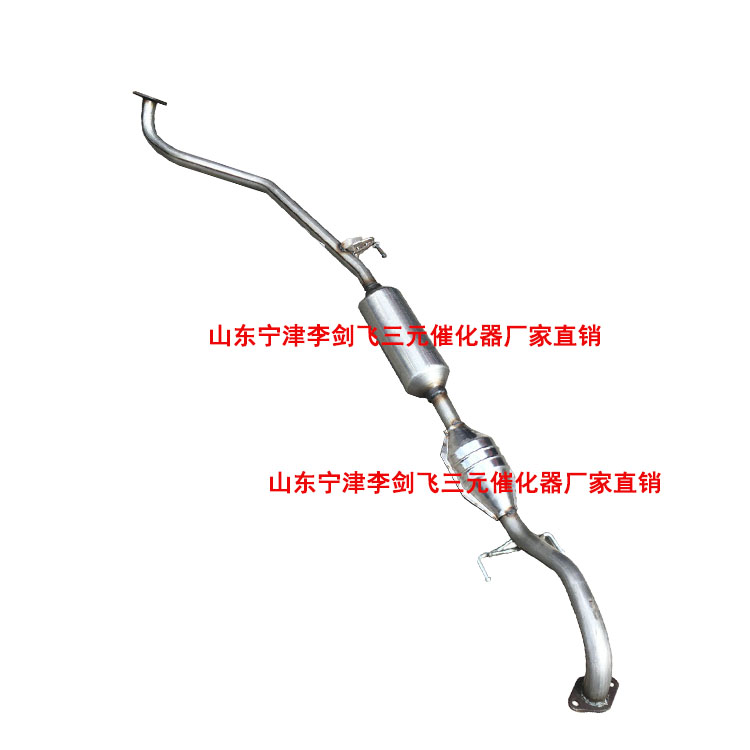
Facing recurring P0420 diagnostic codes or a sudden drop in engine performance can frustrate any vehicle owner. For the Changan CS35, failed emissions tests often point directly to a failing middle catalytic converter. Many drivers try superficial fixes like oxygen sensor spacers to bypass dashboard warnings. However, these temporary patches ignore underlying structural decay. They leave your engine running inefficiently and masking deeper mechanical issues.
Genuine structural replacements remain the only reliable way to restore proper exhaust flow. They ensure your vehicle meets strict environmental regulations. This article sets a clear objective. We provide an evidence-based framework for evaluating and selecting a dependable replacement unit. You will learn how to verify internal component quality, choose the right manufacturer, and prioritize long-term compliance. By understanding these technical requirements, you secure vehicle reliability over the lowest initial cost.
Key Takeaways
Replacing a catalytic converter for Changan CS35 requires matching the specific emission standards (Euro IV/V) to prevent recurring diagnostic errors.
Direct-fit middle converters drastically reduce installation risks and labor costs compared to universal weld-in alternatives.
The true value of a replacement part lies in its internal precious metal loading (Pt/Pd/Rh ratio) and substrate density, not just external shell appearance.
Verifying supplier certifications (ISO/TS 16949) and warranty terms is non-negotiable for both B2B bulk purchasers and B2C repair shops.
Diagnosing the Replacement Need: Business and Performance Impact
Diagnosing exhaust failures requires precision. You must separate converter degradation from upstream engine problems. A targeted approach saves time and prevents ruined replacement parts.
Root Cause Verification
You must confirm converter failure before ordering new parts. Upstream issues quickly destroy brand-new exhaust components. Misfires push unburned fuel into the exhaust system. This raw fuel ignites inside the converter shell. The resulting heat melts the internal ceramic honeycomb structure. Rich or lean running conditions also poison the precious metal washcoat. Mechanics must scan fuel trim data and resolve oxygen sensor faults first. Fixing upstream problems protects your investment.
The Cost of Substandard Parts
Cheap replacement units severely impact your bottom line. Low-cost manufacturers reduce internal precious metal loading to cut prices. These budget units often trigger check engine lights within a few months. Premature failure leads to repeated labor costs and extended operational downtime. Repair shops lose customer trust when cheap parts fail onboard diagnostic checks. Fleet managers face disrupted schedules. Investing in a highly loaded Catalytic Converter for Changan CS35 prevents these recurring expenses.
Success Criteria
A successful replacement achieves three main goals. First, it resolves P0420 emissions codes permanently. Second, it restores exhaust backpressure to original factory specifications. Proper backpressure improves fuel economy and restores lost horsepower. Finally, a quality part maintains long-term structural integrity. It resists rust, thermal cracking, and physical vibration over thousands of miles.
Solution Categories: Direct-Fit vs. Universal Assemblies
Buyers generally choose between two categories of exhaust components. Each path offers distinct advantages and challenges. Understanding these differences ensures a smooth installation process.
Direct-Fit Middle Converters
Engineers design direct-fit units specifically for the Changan CS35 undercarriage. They match factory exhaust routing perfectly. These assemblies feature bolt-on installation. Mechanics utilize factory flange connections and OEM oxygen sensor placements.
Pros: You experience minimal installation time. Direct bolt-on designs lower the risk of exhaust leaks. Engine performance remains highly predictable. Cons: Buyers face a higher upfront part cost compared to bare units.
Universal Converters
Universal units require extensive modification. Technicians must cut the existing exhaust pipe. They then weld the new unit firmly in place. This approach demands precision and skill.
Pros: Buyers enjoy a lower baseline unit cost. Cons: Installers face a high risk of improper fitment. Potential sensor alignment issues arise frequently. Success relies heavily on the technician's welding expertise. Poor welds lead to immediate exhaust leaks.
Verdict for Changan CS35
Direct-fit designs remain highly recommended for the middle section. The CS35 relies on precise exhaust flow dynamics. A direct-fit unit ensures absolute sensor accuracy. It removes human error from the installation process.
Feature
Direct-Fit Assemblies
Universal Converters
Installation Method
Bolt-on to factory flanges
Cutting and welding required
Labor Time
1-2 hours typically
3-4 hours minimum
Sensor Alignment
Factory precision
Dependent on installer skill
Risk of Leaks
Low (uses new gaskets)
High (weld porosity risks)
Upfront Part Cost
Higher
Lower
Core Evaluation Dimensions: Specifications That Dictate Lifespan
You cannot judge an exhaust component by its outer shell. The true performance value hides inside the casing. Evaluating internal specifications guarantees reliable long-term performance.
Substrate Quality and Cell Density
You should carefully evaluate the internal honeycomb structure. Manufacturers use either ceramic or metallic substrates. Ceramic provides excellent thermal insulation and cost efficiency. Metallic substrates handle extreme mechanical stress better. Look for a standard 400 CPSI (Cells Per Square Inch) density. A 400 CPSI rating balances exhaust flow perfectly. It provides adequate surface area for toxic gas conversion without choking engine output.
Precious Metal Washcoat (Pt, Pd, Rh)
The core cost driver remains the Platinum (Pt), Palladium (Pd), and Rhodium (Rh) loading. Platinum and Palladium oxidize harmful carbon monoxide and hydrocarbons. Rhodium reduces hazardous nitrogen oxides. You must caution buyers against "budget" units. Low-cost manufacturers skimp heavily on precious metals. These cheap units might pass a manual sniffer test temporarily. However, they will fail onboard diagnostic (OBD-II) readiness monitors within a few months. Always prioritize high-loading units.
Shell Construction and Shielding
Exhaust systems endure brutal environments. They face extreme heat, road debris, and corrosive moisture. You should require 409 or 304-grade stainless steel for the outer casing. Stainless steel strongly resists thermal cracking. It prevents winter road salt corrosion. Furthermore, inspect the quality of TIG or MIG welds at the flanges. Clean, consistent welds prevent structural failure and annoying exhaust ticks.
Emission Standard Compliance
Regional regulations dictate exhaust design. You must ensure the unit specifies compatibility with the appropriate legal standards. The Changan CS35 typically requires Euro 4 or Euro 5 compliance depending on the production year. Ensure the supplier clearly marks their products. Matching the precise emission standard prevents ECU conflicts. A mismatch guarantees a returning check engine light.
Vetting Suppliers and Navigating the Supply Chain
Finding a reliable manufacturer requires diligent research. You need partners who prioritize quality control over volume. A rigorous vetting process protects your business reputation.
Manufacturing Certifications
You should shortlist vendors capable of proving their credentials. Look for ISO 9001 or IATF 16949 compliance. IATF 16949 represents the gold standard in automotive manufacturing. It ensures highly standardized production processes. Certified factories implement strict defect tracking. They calibrate testing equipment regularly. Partnering with certified factories reduces defect rates dramatically.
Transparency in Specifications
Trustworthy suppliers readily provide deep technical data. They share substrate dimensions freely. They offer metal loading reports upon request. You should remain highly skeptical of listings relying solely on cosmetic photos. Shiny outer shells easily hide empty substrates. Demand written confirmation of the Pt/Pd/Rh ratios before purchasing any Catalytic Converter for Changan CS35.
B2B Considerations
Bulk buyers via platforms like Alibaba or Made-in-China face unique challenges. You must evaluate several logistical factors:
Minimum Order Quantities (MOQs): Ensure the factory's minimums align with your inventory capacity.
Production Lead Times: Verify their manufacturing speed during peak export seasons.
Export History: Check their history of exporting auto parts for Chinese domestic market (CDM) vehicles. Suppliers familiar with Changan engineering provide better fitment accuracy.
Implementation Realities and Risk Mitigation
Even the best components fail if installed incorrectly. Proper installation procedures protect the warranty. They ensure maximum component lifespan.
Gasket and Hardware Replacement
Mechanics often try saving money by reusing old hardware. Reusing old, heat-cycled gaskets guarantees annoying exhaust leaks. Exhaust gases erode compromised gaskets quickly. Always specify installation kits containing brand-new hardware. New bolts, springs, and crush gaskets create a permanent seal. This small investment prevents expensive rework later.
O2 Sensor Handling
Transferring oxygen sensors poses significant risks. Threads often gall and seize after years of intense heat. Technicians risk stripping the threads during removal. You should recommend replacing high-mileage sensors concurrently. Installing a fresh oxygen sensor alongside the new converter ensures optimal ECU feedback. Accurate sensor data maximizes the new substrate's lifespan.
Break-in Procedures
A new exhaust component requires proper curing. You must outline the necessity of a proper thermal break-in cycle. Start the engine and let it idle until it reaches operating temperature. Do not rev the engine aggressively. Turn the vehicle off and let it cool completely. This process cures the internal washcoat matting. It prevents premature structural failure and internal rattling.
Warranty Enforcement
Clear communication regarding warranty terms prevents disputes. You must clarify what standard warranties actually cover. Most manufacturers cover structural defects, broken welds, or casing failures. However, you must explain what voids these agreements. Engine misfires melting the substrate void the warranty instantly. Physical impact damage or using incorrect fuel also nullifies manufacturer protection. Documenting proper engine diagnostics before installation protects your coverage.
Conclusion
Sourcing a reliable exhaust component requires technical awareness. You must move beyond evaluating simple price tags. Prioritize direct-fit designs to eliminate installation variables. Verify internal substrate quality and demand precise precious metal loading data. Partner strictly with certified manufacturers holding IATF 16949 credentials. This decision matrix ensures you secure a durable, compliant replacement for the Changan CS35.
Do not leave your vehicle's performance to chance. Advise your purchasing team to request detailed specification sheets from shortlisted suppliers. Consult with a certified emissions technician before finalizing any major purchase. By verifying facts upfront, you guarantee long-term reliability and compliance.
FAQ
Q: How long should a replacement catalytic converter for a Changan CS35 last?
A: An OEM-equivalent quality replacement typically lasts between 70,000 to 100,000 miles. This lifespan assumes you maintain a healthy engine. Regular oil changes, immediate repair of engine misfires, and functioning oxygen sensors maximize the unit's longevity. Poor engine maintenance will destroy even the highest quality part prematurely.
Q: Why did the check engine light (P0420) return immediately after replacing the converter?
A: A returning P0420 code usually indicates one of three common pitfalls. You may have exhaust leaks at the flange due to reused gaskets. You might have faulty, slow-responding oxygen sensors. Finally, you may have purchased a cheap budget unit featuring insufficient precious metal loading, causing it to fail the ECU monitor immediately.
Q: Is a higher-priced catalytic converter always better?
A: While price strongly correlates with precious metal content, it is not an absolute guarantee. A higher price often indicates adequate Platinum, Palladium, and Rhodium loading. However, buyers must verify exact technical specs. Always check for proper manufacturing certifications and material grades rather than relying on price alone as your sole indicator of quality.