Why do diesel engines need extra emission control? Diesel burns cleaner, but also dirtier—depending on what you measure.Diesel engines release nitrogen oxides and soot. These hurt air quality and health.In this post, you'll learn how diesel engines control pollution, and whether they use catalytic converters.
Do Diesel Engines Have Catalytic Converters?
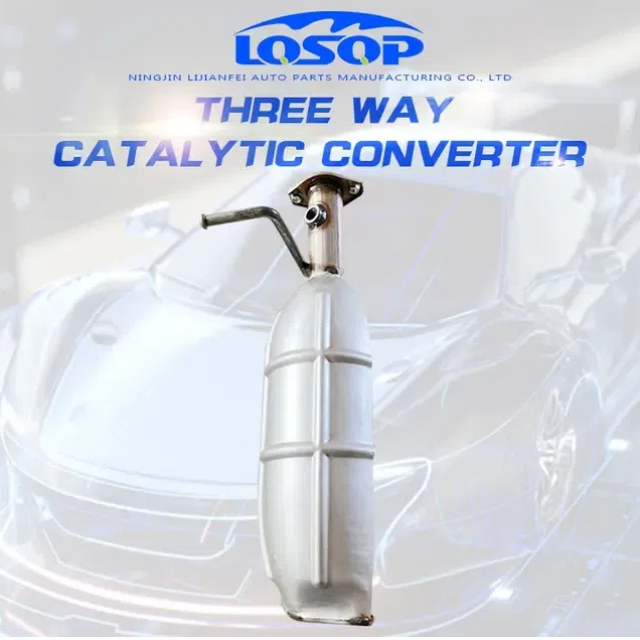
Yes, diesel engines have catalytic converters, but they aren’t the same as gas-powered ones.
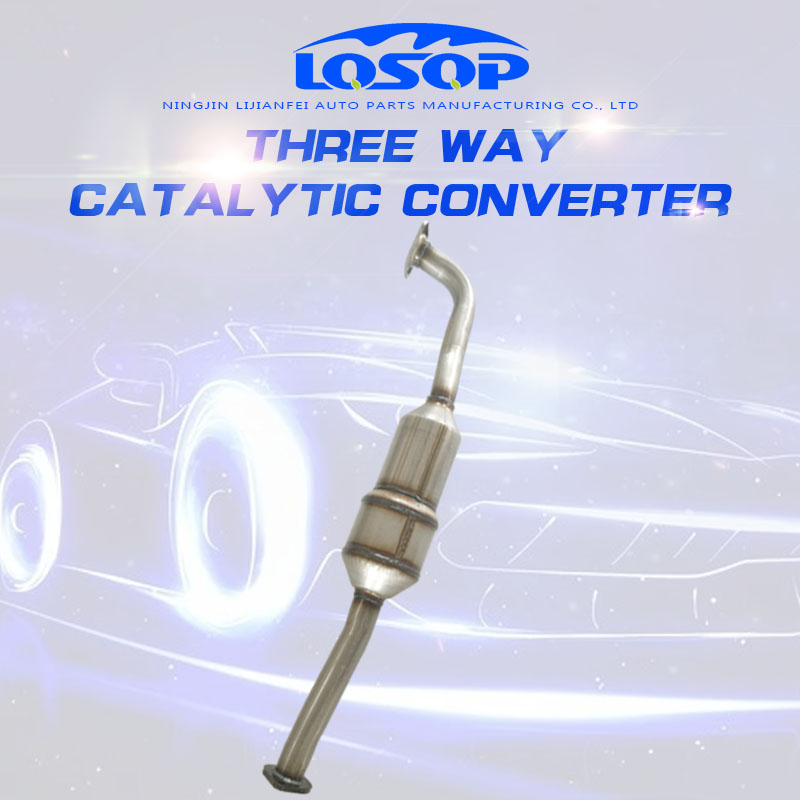
Gasoline engines usually rely on a single three-way converter. Diesels, however, use a series of devices. These are specially built to handle the dirtier exhaust from diesel combustion.
What Type of Catalytic Converters Do Diesel Engines Use?
They use oxidation catalysts, particulate filters, and systems that lower nitrogen oxides. Each one has its own job. Together, they form a full emissions control setup.
Diesel exhaust contains more soot and nitrogen oxides (NOx). These pollutants need different treatment methods. That’s why diesel needs extra systems like DPF and SCR.
Types of Diesel Catalytic Converters
Diesel Oxidation Catalysts (DOCs)
DOCs are the first line of defense.
● They convert carbon monoxide (CO) and hydrocarbons (HC) into CO₂ and water.
● They also help reduce small amounts of particulate matter (PM).
● These are common in trucks, buses, and off-road diesel engines.
DOCs also raise exhaust temperatures. This helps the next component, the DPF, work better.
Diesel Particulate Filters (DPFs)
DPFs trap soot—the black smoke from diesel exhaust.
● Over time, they fill with soot and need to be cleaned.
● They clean themselves through regeneration.
There are two types:
● Passive regeneration: Happens during highway driving.
● Active regeneration: Uses extra fuel to burn off soot.
Problems can occur if regeneration fails:
● Clogging
● Reduced fuel economy
● Increased backpressure
Selective Catalytic Reduction (SCR)
SCR systems target nitrogen oxides (NOx).
● They spray Diesel Exhaust Fluid (DEF), like AdBlue, into the exhaust.
● DEF reacts with NOx and turns it into nitrogen and water.
Modern diesel vehicles almost always have SCR systems. They're required to meet strict emissions laws.
Lean NOx Traps (LNTs)
LNTs store NOx during lean engine operation.
● Later, they use a rich fuel mix to convert NOx into harmless gases.
● LNTs work well in small diesel cars, especially in Europe.
Compared to SCR:
Feature | LNT | SCR |
Size | Compact | Larger system |
DEF required | No | Yes |
Efficiency (NOx) | Moderate | High |
Best for | Small engines | Larger or commercial diesel |
How Diesel Catalytic Converters Differ from Gasoline Converters
Gasoline engines run hotter. Their converters operate in higher temperatures.
Diesel exhaust is cooler and contains more particulates.
So diesel converters:
● Use different materials
● Rely on additional parts (like DPF)
● Require more sensors and electronics
Gas systems need one converter. Diesels often need three.
Emissions Standards Driving Diesel Converter Technology
Diesel emission laws have become stricter over time:
● Euro 6 (Europe): Limits NOx and PM
● EPA Tier 3 (US): Requires advanced diesel aftertreatment
● CARB (California): The toughest US state standard
New rules demand low real-world driving emissions (RDE). Testing no longer happens only in labs.
This pushes makers to develop more efficient DOCs, DPFs, and SCR systems.
Benefits of Diesel Catalytic Converter Systems
Cleaner diesel technology provides:
● Lower smog levels in cities
● Safer air quality
● Fewer asthma and lung disease cases
It also helps vehicles stay legal:
● Meet registration and inspection rules
● Avoid fines
Common Problems and Maintenance of Diesel Catalytic Systems
Diesel aftertreatment systems are effective—but also sensitive. They need proper care.
DPF Clogging
The diesel particulate filter (DPF) traps soot. But when it can’t regenerate properly, that soot builds up. Eventually, it blocks exhaust flow.
You’ll notice:
● Loss of engine power
● Poor fuel economy
● Hard starts or stalling
● Higher exhaust temperatures
Sometimes the system can fix itself through passive regeneration, especially during highway driving. But if driving is mostly short or slow trips, active regeneration or even professional cleaning may be required.
Sensor Failures
Modern diesel systems rely on many sensors—especially NOx sensors, oxygen sensors, and temperature sensors.
When they fail:
● The ECU can’t control emissions systems properly
● You might get a check engine light
● SCR dosing may stop working
● DPF regeneration might not activate
Faulty sensors are common and costly if ignored.
Oil and Fuel Contamination
Leaking fuel injectors or worn piston rings let oil or raw fuel reach the converter. That coats the internal surfaces.
Once that happens:
● Catalysts become less effective
● DPF clogs faster
● Regeneration becomes harder
● You might see thick black smoke
Use clean fuel, maintain oil seals, and monitor your engine's health.
Warning Signs to Watch
Look out for:
● Dashboard alerts
● Strange smells or noises
● Drop in performance
● Sudden rise in fuel use
The sooner you act, the cheaper the fix.
Can You Remove or Delete Diesel Catalytic Converters?
Some diesel owners use “delete kits” to remove parts like the DPF, EGR, or SCR. They do this to increase power, save fuel, or avoid maintenance.
But here’s the truth:
Reason to Delete | The Reality |
More power | True—but harmful to the environment |
Fewer repairs | Maybe—but your warranty may vanish |
Cheaper fuel use | Slightly—but not worth the risk |
Legal Issues
In the U.S., removing or disabling emissions systems is illegal under EPA regulations. The same goes for Canada, the EU, and many other places.
Fines can exceed $2,500 per violation. Shops doing illegal deletes may face even higher penalties.
Inspection & Resale Problems
Once deleted, your vehicle might:
● Fail emissions tests
● Be refused by buyers
● Have no resale value in some states
What looks like a gain now can become a loss later.
How to Extend the Life of a Diesel Catalytic Converter
You can’t avoid diesel emissions systems—but you can take care of them.
Follow These Tips:
● Always use low-sulfur diesel
● Fix fuel or oil leaks right away
● Let your engine reach full operating temperature
● Avoid constant short trips
● Don’t ignore warning lights
Driving on the highway regularly helps your DPF regenerate. That burns off the soot before it causes problems.
Maintain Your ECU and Sensors
Keep your vehicle’s brain—its Engine Control Unit (ECU)—in good condition. If sensors go bad, the ECU can’t manage emissions properly.
Use high-quality parts. Don’t delay diagnostics.
Future Trends in Diesel Emissions Technology
The diesel engine isn’t dead—yet. But it’s changing fast to stay clean.
Electric Hybrids
More manufacturers are combining diesel with electric motors. These hybrids:
● Reduce idling and fuel use
● Lower overall emissions
● Improve urban driving performance
Expect to see them in delivery fleets and buses.
Advanced Filter Materials
Next-gen filters are:
● Lighter and more heat-tolerant
● More effective over longer intervals
● Easier to regenerate even in low-speed driving
They help reduce maintenance and cost.
Smarter SCR Systems
New SCR systems:
● Use less DEF (AdBlue)
● React more quickly to NOx spikes
● Self-adjust based on driving style
This means better performance with lower emissions.
Conclusion
Diesel engines do use catalytic converters. But they’re more complex than gasoline systems.
They include DOCs, DPFs, and SCR units. These parts reduce harmful gases, trap soot, and cut down nitrogen oxides. Together, they help meet strict emission rules worldwide. To keep your system working, use low-sulfur fuel and follow regular maintenance. Watch for warning lights and act early. Cleaner diesel means healthier air for all of us.
FAQ
Q: Do all diesel engines have a catalytic converter?
A: Most modern diesel engines use catalytic converters like DOCs, DPFs, or SCRs to meet emissions rules.
Q: What’s the difference between DOC and DPF?
A: DOCs oxidize pollutants like CO and HC. DPFs trap and burn soot particles from the exhaust stream.
Q: Can diesel catalytic converters be stolen like gasoline ones?
A: Yes, especially DPFs. They also contain valuable metals and can be quickly removed by thieves.
Q: How much does a diesel converter cost to replace?
A: Replacement can cost $1,000–$4,000 depending on the system type and vehicle model.


